

EN
Surgical treatment for varicose veins
VEIN HIGH LIGATION & STRIPPING

High Ligation and Stripping

Vein High Ligation & Stripping

The refluxing vein is tied off,
and the affected vein is removed directly in
a surgical treatment.

Ligation and removal of the vein
Chosen according to the state of the vein
Ultrasound-based assessment
Move your cursor and the light responds
01
What are high ligation and stripping?

High ligation and stripping for varicose veins —
Surgery that removes the refluxing vein directly.

VEIN HIGH LIGATION & STRIPPING

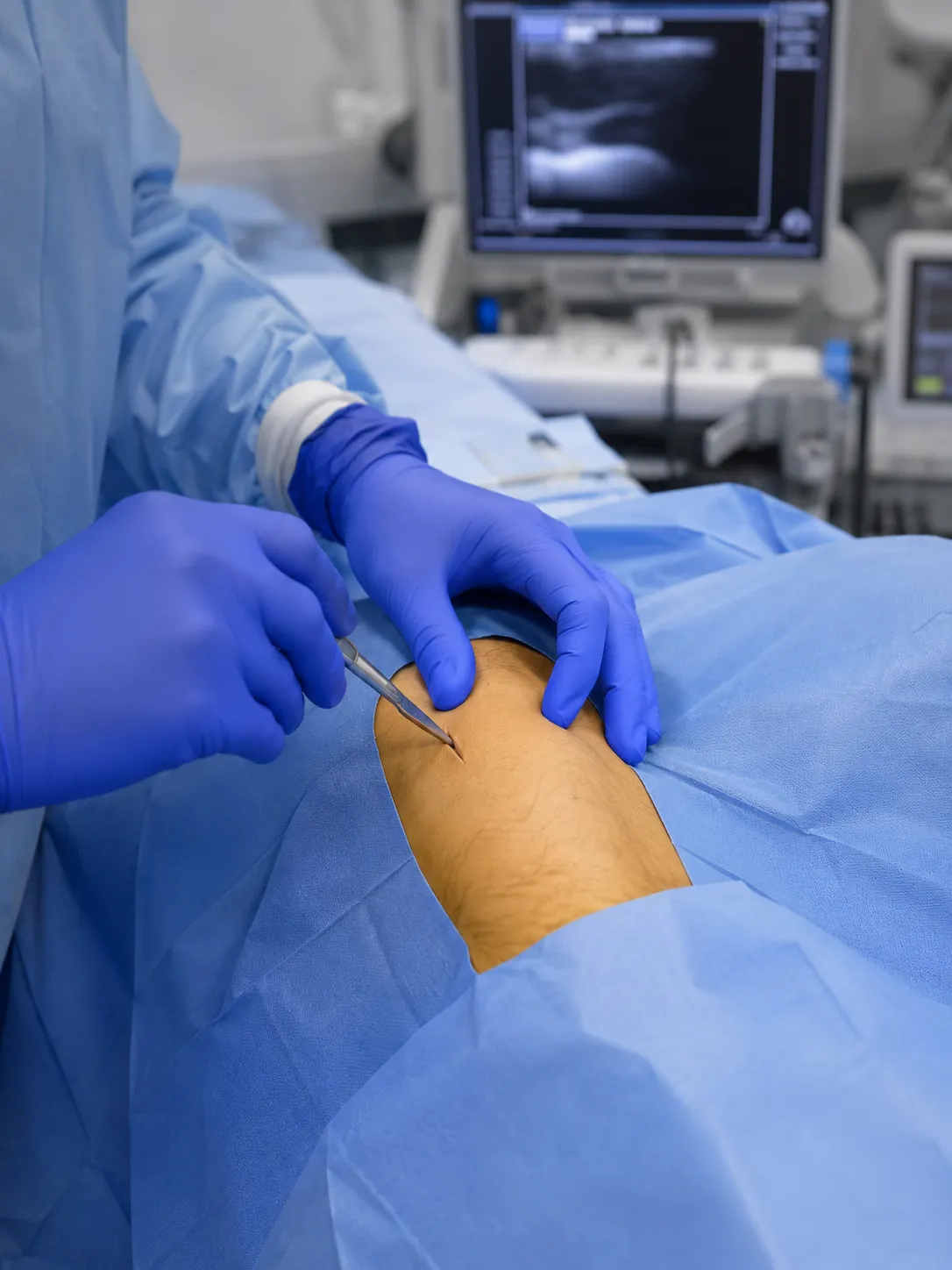
High ligation and stripping tie off the refluxing vein at its origin and use a special instrument (a stripper) to remove the affected vein directly.

Unlike radiofrequency, VenaSeal or ClariVein, which close the vein from within, this surgery removes the diseased vein from the body. It suits certain vein conditions and is not needed for every case of varicose veins.
Learn more about varicose veins →

High ligation and stripping surgery for varicose veins
Ligation and stripping procedure
02
How it works

The vein is not closed and left in place — it is removed.

Radiofrequency and laser close the vein with thermal energy, and VenaSeal closes it with a medical adhesive. High ligation and stripping differ in that the affected vein is removed surgically.

01
High ligation of the vein (tying off)
The point where reflux begins is identified and tied off, so blood no longer flows backwards.
02
Stripping of the vein (removal)
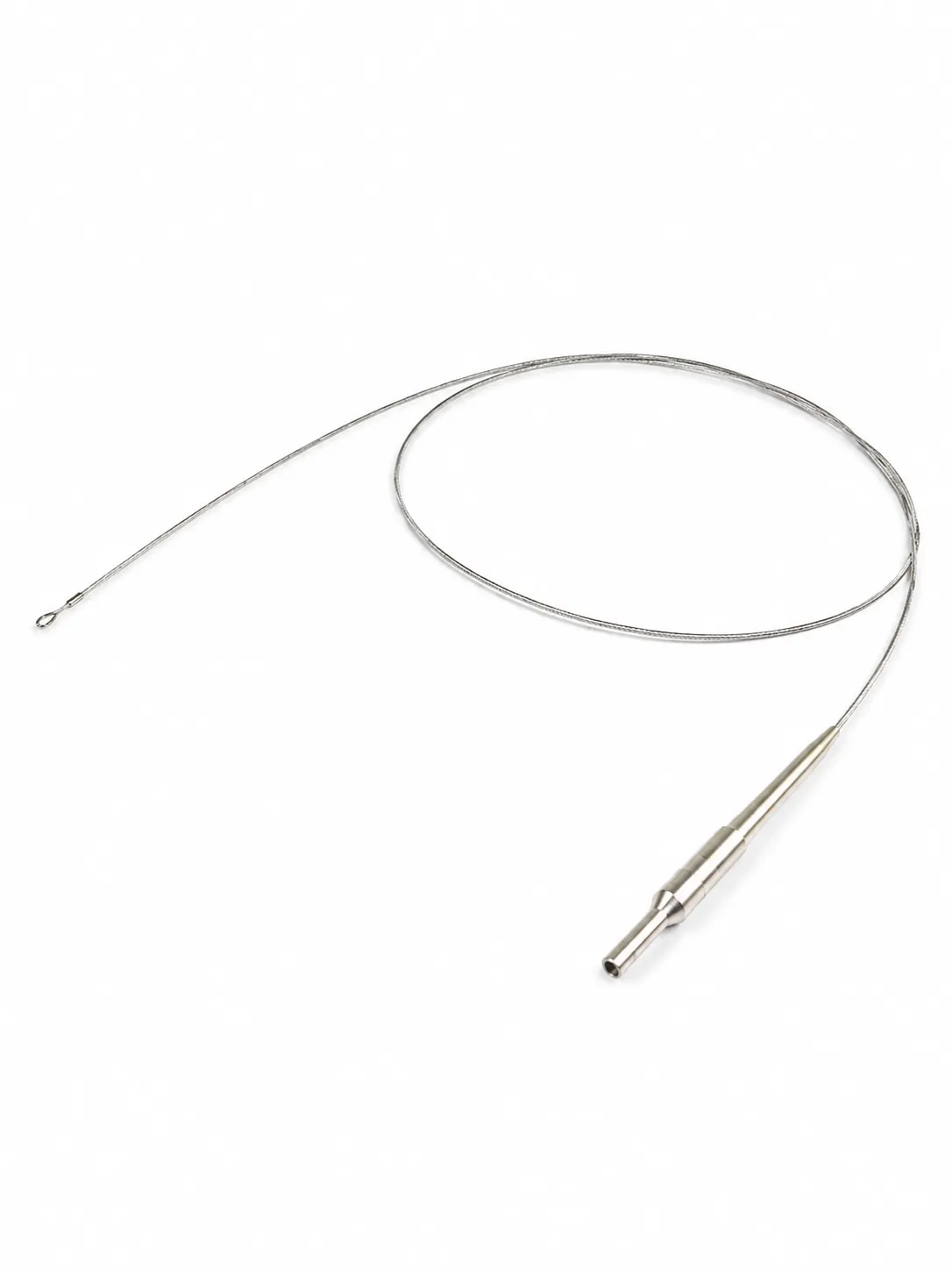
A special instrument called a stripper is passed into the vein and the affected vein is removed directly.
More than the veins you can see,
the direction of flow inside matters
03
When it may be considered

In these situations, surgical treatment may be worth assessing.

Having these symptoms does not mean surgery is needed. In early stages, or when reflux is not clear, conservative care may come first.

The vein is large and markedly dilated
The vein is very tortuous, making catheter treatment difficult
Symptoms have returned after previous treatment
The reflux extends over a wide area
Thrombus, inflammation or skin changes are also suspected
Heaviness, swelling, numbness or night cramps have continued for a long time
Bulging veins are prominent and daily discomfort keeps returning
04
What to check before treatment

More than the veins you can see,
We check the flow inside first.

A duplex ultrasound is required before surgery. It shows whether surgery is needed, or whether radiofrequency, VenaSeal, ClariVein, sclerotherapy or conservative care would be more appropriate.
See our treatment criteria →

01
Whether the venous valves are refluxing
02
Where the reflux begins
03
Vein diameter and length
04
How tortuous the vein is
05
Any existing thrombus or inflammation
06
Skin changes or chronic venous insufficiency
07
Whether another treatment is possible
The stripper instrument used in stripping surgery for varicose veins
The stripper instrument used in stripping surgery
05
Key features

Key features of high ligation and stripping for varicose veins

High ligation and stripping is a long-established surgical treatment and, depending on the state of the vein, can still be an important option.

01
Direct removal — the refluxing vein is taken out of the body
02
A long-established surgical treatment
03
Can be considered for large, tortuous veins
04
Surgery that requires incisions and anesthesia
05
Suitability judged on ultrasound findings
06
Comparing treatments

How high ligation and stripping differ from other treatments

Rather than declaring one treatment better, the right method depends on where and how severe the reflux is, the vein diameter and the shape of the vein.

Treatment
Mechanism
Characteristics
High ligation and stripping
Ligation of the refluxing vein, then direct removal
Surgery; incisions and anesthesia required
Radiofrequency
Closes the vein with radiofrequency thermal energy
Thermal treatment, catheter-based
Laser
Laser thermal energy through an optical fiber
Thermal treatment, closes the vein from within
VenaSeal
Closes the vein with medical adhesive
Non-thermal, uses no heat
ClariVein
Rotational stimulation plus sclerosant delivery
Non-thermal, combined mechanical and chemical action
Sclerotherapy
Closes the vein by injecting a sclerosant
Mainly for branch and small veins
07
The treatment process

From examination to recovery guidance, in seven steps.

STEP 01
Duplex ultrasound
Confirm the location and extent of the reflux
STEP 02
Marking the veins
The treatment sites are marked while standing
STEP 03
Anesthesia
The method of anesthesia is decided by the extent of surgery
STEP 04
Ligation
The vein is tied off where the reflux begins
STEP 05
Removal
The affected vein is removed with a special instrument
STEP 06
Checking
Bleeding, swelling and the state of the vein are checked
STEP 07
Recovery guidance
Compression care, walking and daily-life guidance
Before the name of a treatment,
check the flow in your own veins
08
Cautions and limits

This is surgery that requires incisions and anesthesia, and that must be considered.

High ligation and stripping is surgery that requires incisions and anesthesia. It can be difficult to perform under local anesthesia alone, and spinal or general anesthesia may be considered when needed.

Bruising, pain, tightness, swelling, scarring or altered sensation can occur after treatment, and the treatment plan can differ with the patient's condition.
Bruising, pain, tightness, swelling, scarring, infection, bleeding or altered sensation are possible
The extent of surgery can differ with the state of the vein
The plan may change with a history of thrombosis, current medication, cardiovascular disease or diabetes
New problems can develop in other veins after treatment, so regular check-ups are needed
If symptoms persist or worsen, they should be checked with the medical team
Health insurance coverage
Depending on symptoms, ultrasound findings and the treatment criteria, national health insurance may apply. Because it differs according to whether the veins are merely bulging or reflux from valve failure is confirmed, it is best checked at a consultation.
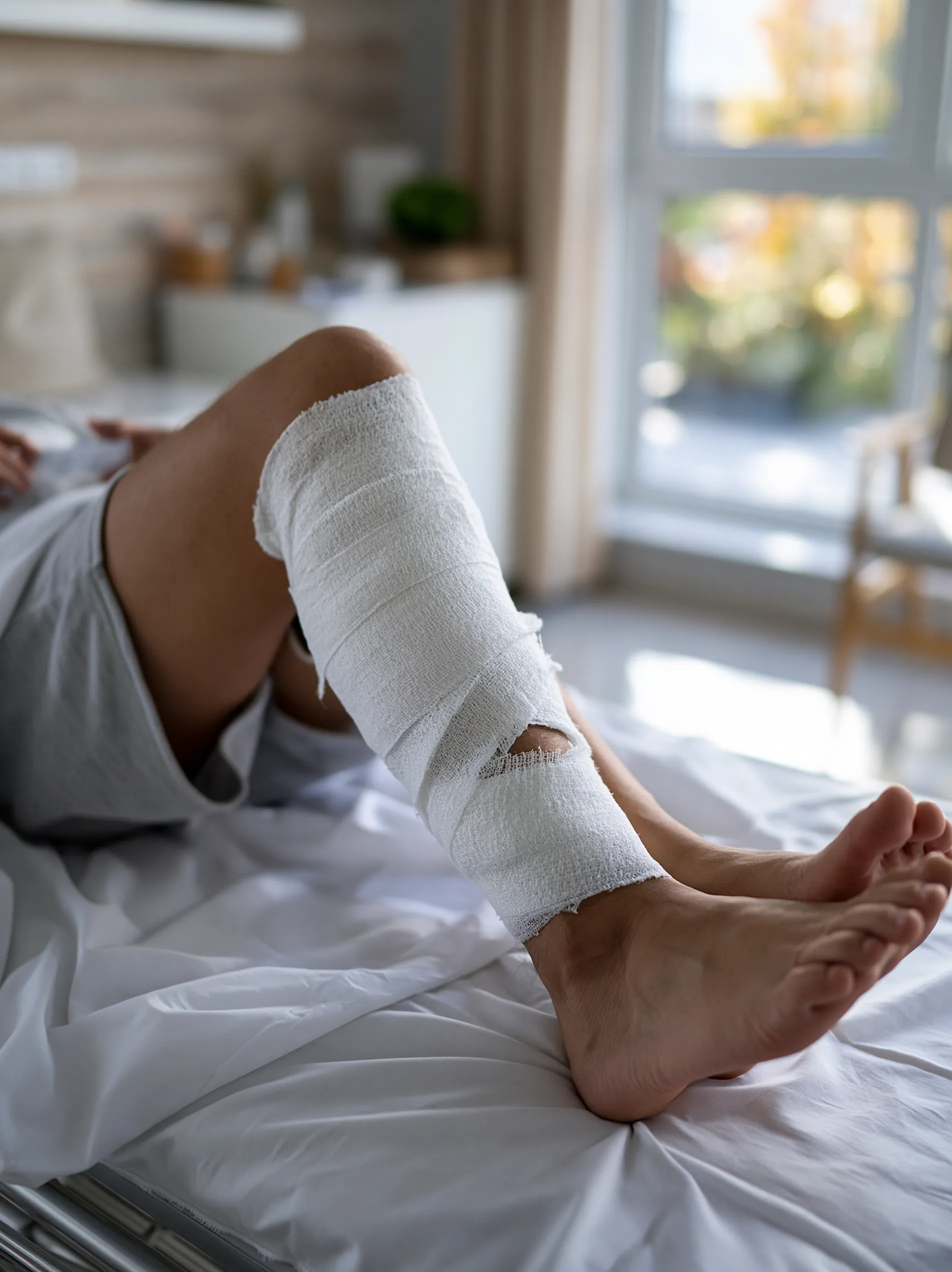
Bandaging for recovery care after stripping surgery
Compression care and daily-life guidance after treatment
09
Our approach at Bluesky Phlebology

We look closely at small symptoms and subtle changes in the veins.

High ligation and stripping is a long-established operation that is still performed today. It applies to extensive varicose veins and to moderate or severe disease beyond the scope of laser or ClariVein. Results are good, but because the surgery covers a wide area, the method of anesthesia must be considered carefully.

3,000+
Vascular surgery experience
30years
University hospital professor
1doctor
Dedicated, focused care
High-resolution duplex ultrasound to locate and grade the reflux
A clear explanation of which veins need treatment and which can be watched
Choosing appropriately between ligation and stripping, radiofrequency, VenaSeal and conservative care
Guidance on recovery and daily care after treatment
Attention to small symptoms and subtle changes
Dr. Bang Jeong-hee, ligation and stripping specialist at Bluesky Phlebology
Dr. Bang Jeong-hee
Vascular surgery specialist · MD, PhD · Former university hospital professor
10
Frequently asked questions

High ligation and stripping — frequently asked questions

When is stripping surgery needed for varicose veins?
+
It can be considered when reflux is severe, the veins are markedly dilated, or the vein is so tortuous that other endovenous treatments do not suit. Suitability is determined after a duplex ultrasound.
Stripping is an old operation — is it still done?
+
High ligation and stripping is a long-established method that is still performed today. For extensive varicose veins, or moderate to severe disease beyond the range of laser or ClariVein, it remains an important option.
Does stripping leave scars?
+
Because incisions are required, scars can remain. How noticeable they are depends on the incision sites, the skin and the course of healing.
Can there be pain or bruising after stripping?
+
Bruising, tightness, pain and swelling can occur after surgery. Most settle with time and care, but if symptoms are severe or persist, they should be checked with the medical team.
Can I walk right after stripping?
+
Walking after surgery can help circulation and recovery, but how much you walk and how active you are depend on your condition and the extent of surgery. It is best to follow the guidance you are given.
Do I have to wear compression stockings after stripping?
+
In many cases medical compression stockings are advised to manage swelling and support recovery. How long they are worn depends on the extent of surgery and the patient's condition.
Which is better, stripping or radiofrequency?
+
It is hard to say one is better for everyone. Stripping removes the vein directly, while radiofrequency closes it with thermal energy. The right method is chosen from the location, diameter, shape of the vein, the extent of reflux and the patient's condition.
Does health insurance cover stripping for varicose veins?
+
It can apply depending on symptoms, ultrasound findings and the treatment criteria. Because it varies with the patient's condition and whether the criteria are met, it is best confirmed at a consultation.
Visit information

If your leg symptoms keep returning,
before choosing a treatment by name
check the flow in your veins.

Treating varicose veins does not start by choosing a name — ligation and stripping, radiofrequency, VenaSeal or ClariVein. It starts by finding where and how much the veins in your legs are refluxing, and then deciding the direction that fits.

Book a visit