

One of the conservative measures
for easing swelling and heaviness in the legs.
Finding the cause matters more than reaching for a tablet.
Venoactive drugs can help ease the chronic venous symptoms of heaviness, swelling and aching in the legs.
Where valve function has declined or reflux is clear, however, medication alone cannot correct the structural problem in the vein. If symptoms keep returning, the cause should first be established with duplex ultrasound.

Venoactive drugs are used to support the tone of the vein wall and capillary permeability, and to ease swelling-related symptoms. They are often called "tablets for swollen legs" or "circulation pills", but they work differently from drugs that improve arterial blood flow.
Feeling better on the medication does not mean the varicose veins have stopped progressing. And where the swelling comes from something other than the veins, it may help less than hoped.
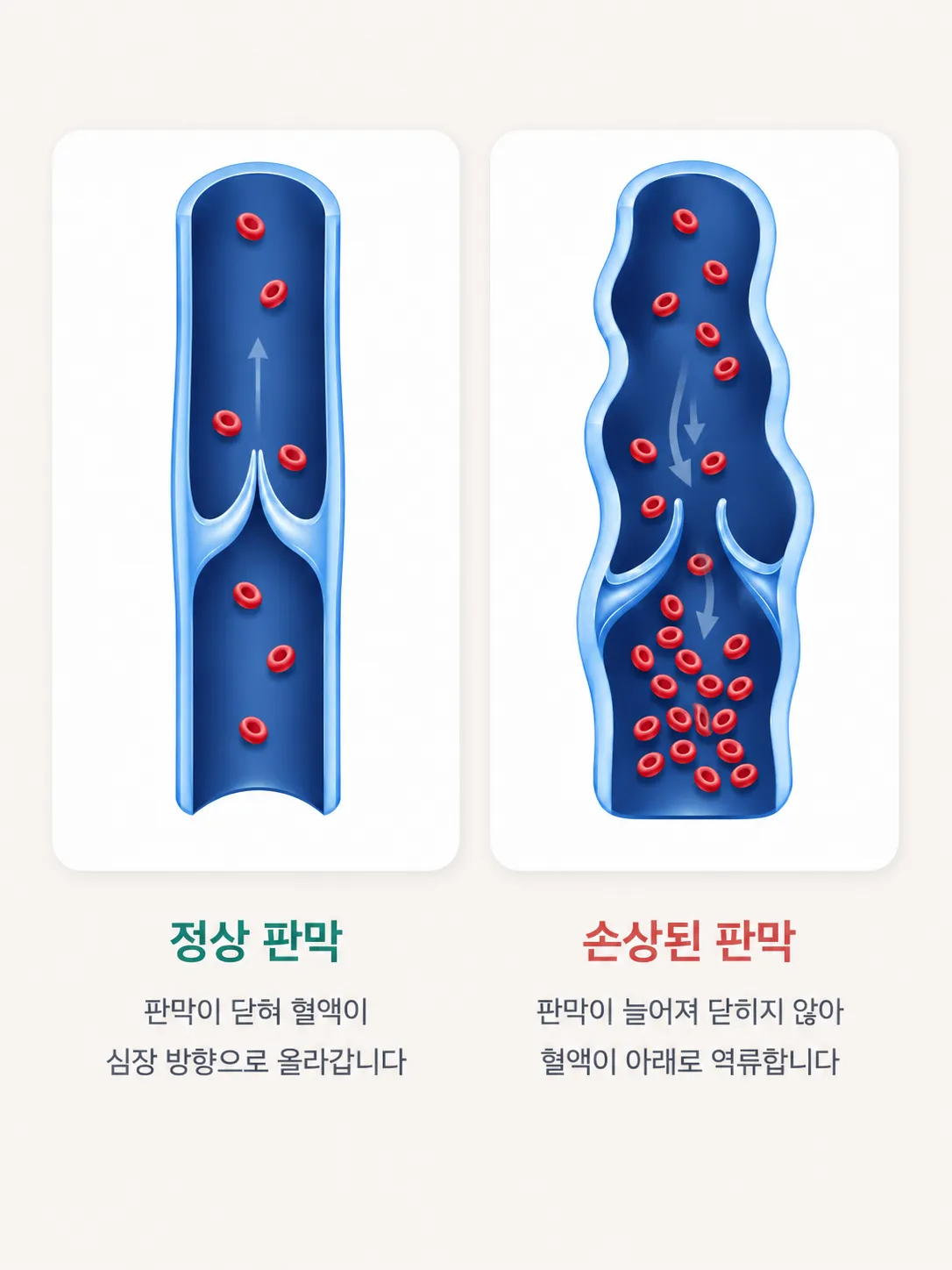
These symptoms can also come from lymphoedema, joint or muscle problems, or kidney and heart conditions. It is better to establish the cause before choosing a medication.
Deciding whether to use a venoactive drug also begins with the cause. Duplex ultrasound checks the following.

Depending on the degree of reflux, the symptoms and the state of the veins, conservative care is sometimes enough and sometimes a procedure is needed. What matters is not which is better in general but which fits the patient.
Rather than switching medications or taking them long term, these signs call for a vascular consultation to find the cause.
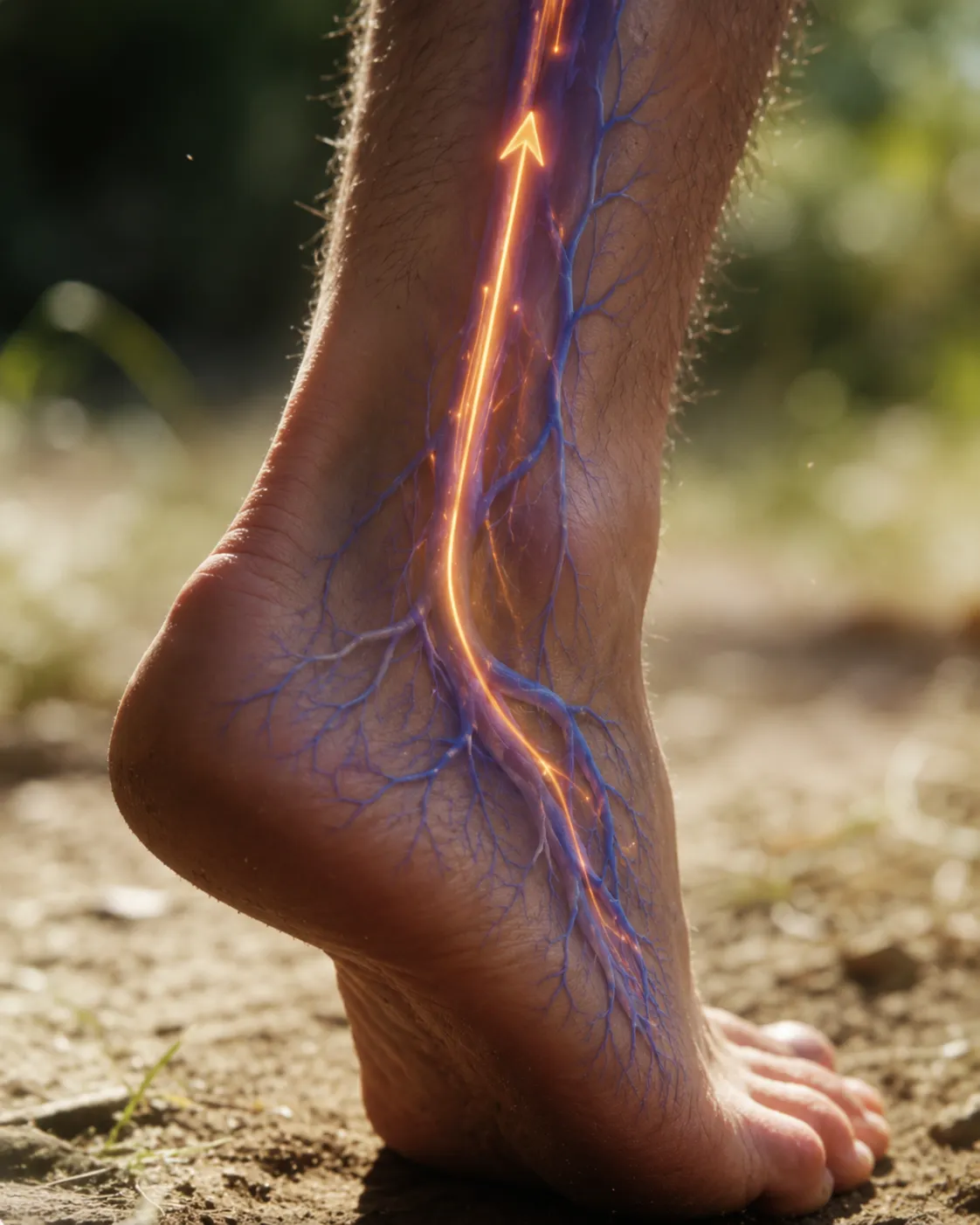
We do not present venoactive drugs simply as "tablets that make it better". We first look carefully at whether the swelling and heaviness a patient feels relate to venous circulation, whether they are an early sign of varicose veins, or whether another cause is involved as well.

Swollen, heavy legs do not all have the same cause. Venoactive drugs help in some cases, but where reflux is clear, medication alone may not be enough.
Book a visit