Varicose Vein Clinic
Heavy legs · swelling · night cramps · bulging veins
Before putting it down to tiredness, check how your veins are circulating
From symptoms to treatment, Bluesky Phlebology guides you
#symptoms #causes #tests #non-surgical #surgical
A circulation disorder in which weakened valves let blood flow backwards or pool
Heaviness, swelling and night cramps can also be symptoms of varicose veins
The direction of treatment can only be decided once the site and degree of reflux are known
Depending on the condition, care ranges from daily management to procedures
Varicose Vein Clinic
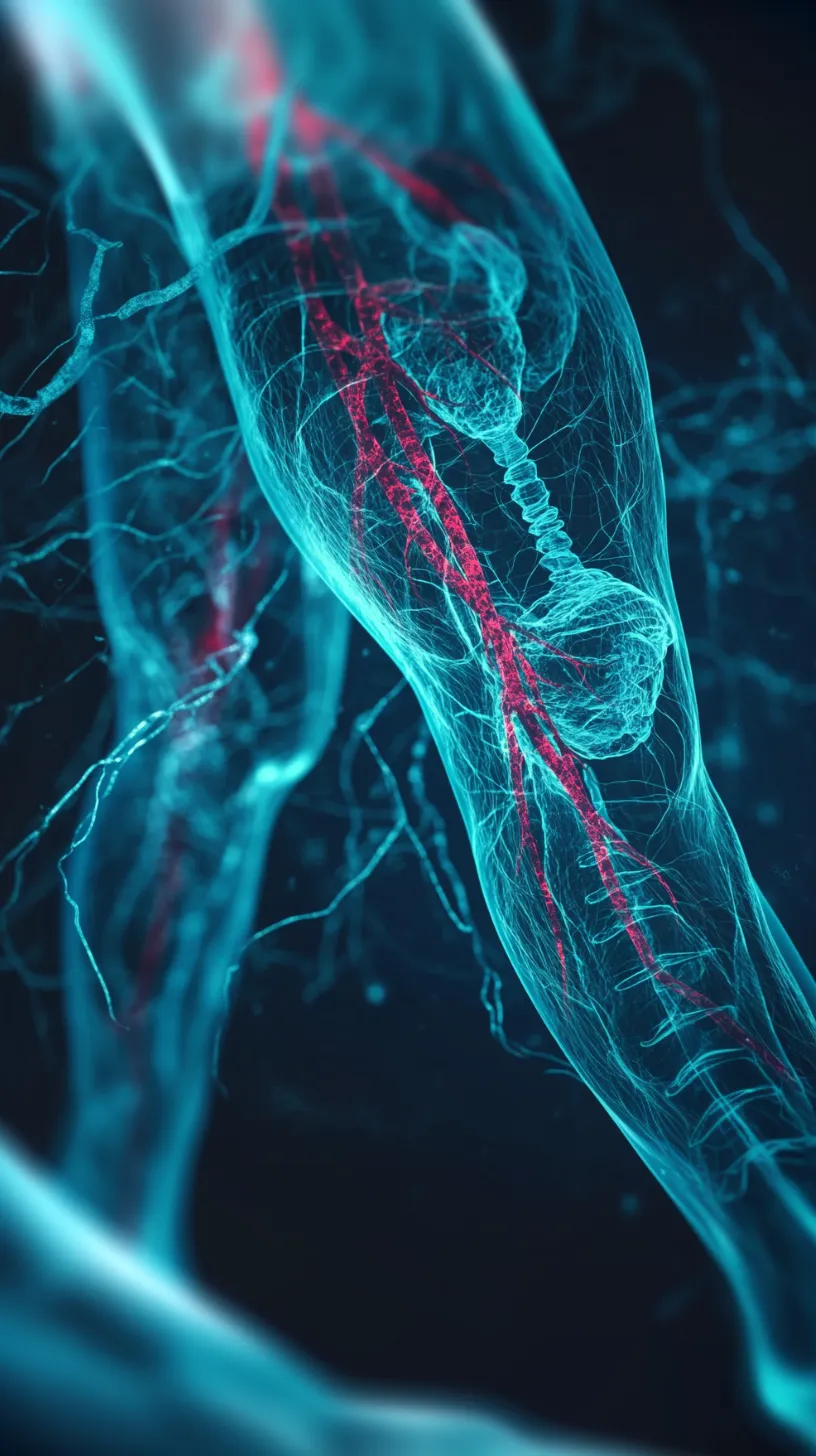
In varicose veins, blood in the leg veins cannot travel up toward the heart properly and is pushed downwards, so the veins widen or become twisted.
Veins carry blood from the legs up to the heart. The structures that stop blood from falling back down are the valves.
A valve works like a small door that keeps blood flowing in one direction. When valve function weakens, blood flows backwards and the pressure inside the vein rises, which can produce symptoms.
This is not simply a problem of the veins you can see: it is a circulatory condition of the leg veins, where flow and reflux must be assessed together.
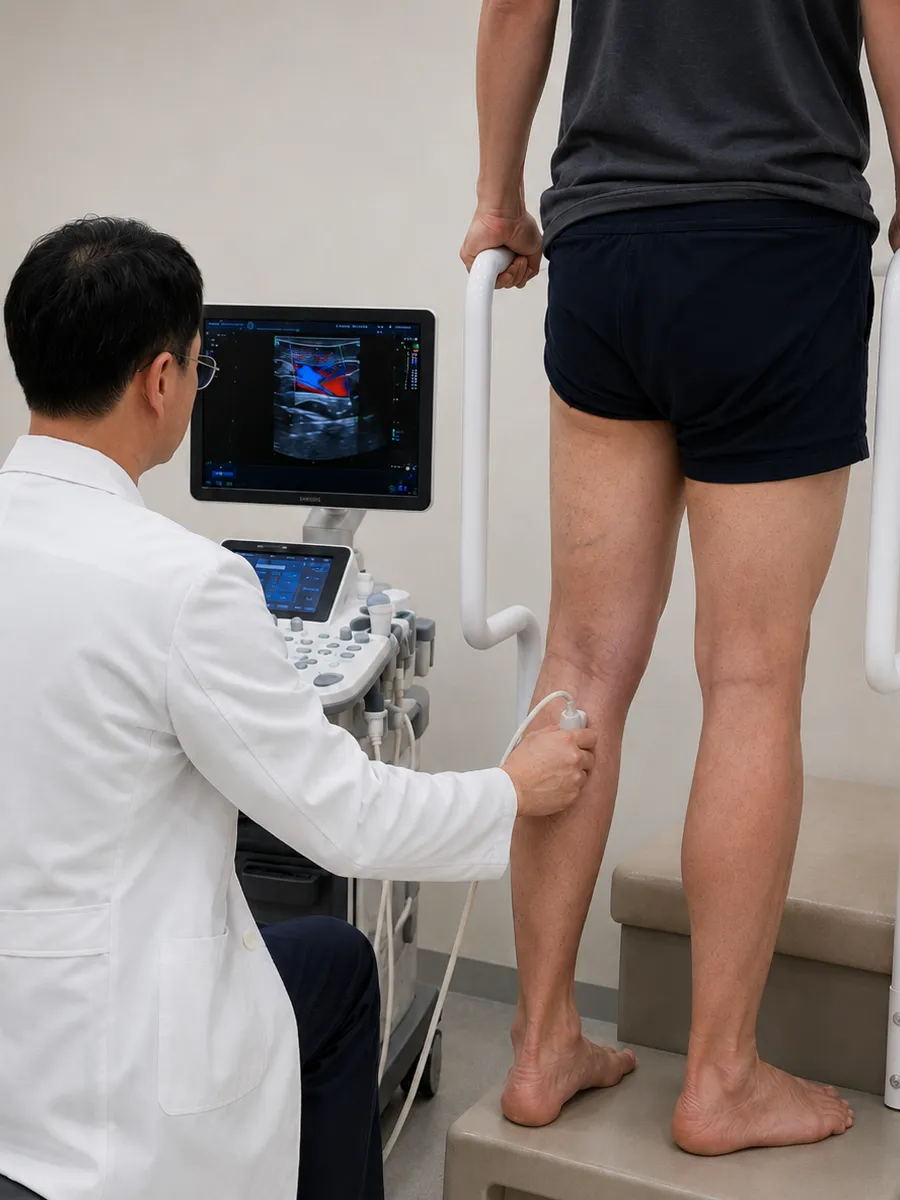
It often progresses without symptoms, so early assessment matters. If your legs feel tired or swell repeatedly, a duplex ultrasound is recommended.
Main symptoms
Especially heavy and tired in the afternoon
Often swollen in the evening
Calf cramps during sleep
Twisted veins standing out
Skin around the ankle becomes rough
Itching or throbbing around the veins
Worse after standing for a long time
Relieved by lying down with the legs raised or by compression
An important point
Even when veins do not clearly bulge…
That is why assessing varicose veins means
using duplex ultrasound to check
the actual flow of blood
Causes
At the centre of varicose veins are weakened venous valves and the backward flow of blood.
When the valves cannot do their job, blood pools in the lower leg and the pressure inside the veins rises, so the vessels can widen.
Family history, ageing, long periods of standing or sitting, pregnancy and hormonal change, obesity and lack of exercise are known to raise the risk.
Work that involves standing for much of the day, sitting for long stretches, or housework and caregiving that keep you on your feet can all put a strain on the leg veins.
Having these factors does not mean varicose veins will develop, so it is important to look at the symptoms and the state of the veins together.
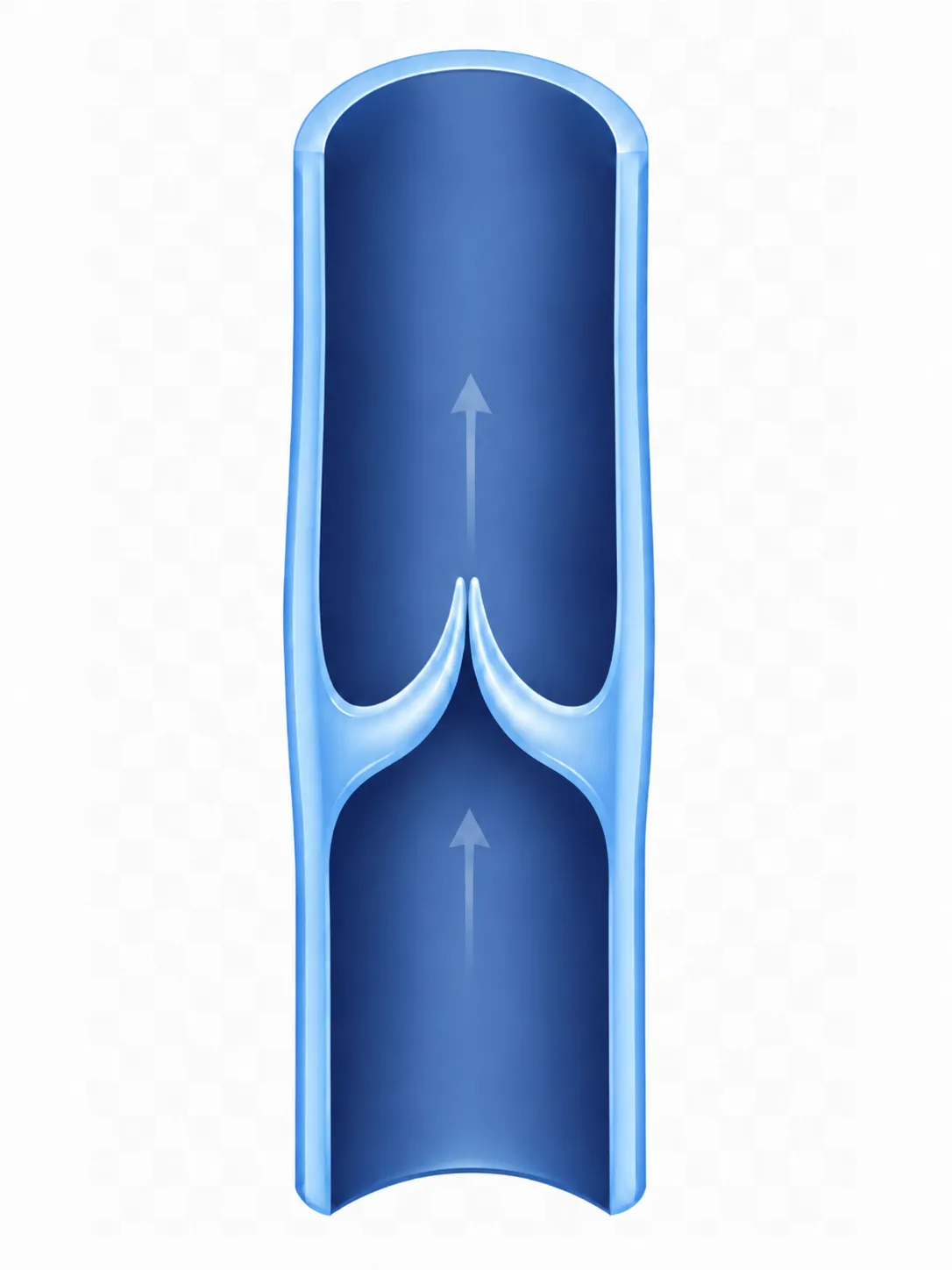
The valve closes and blood
travels up toward the heart
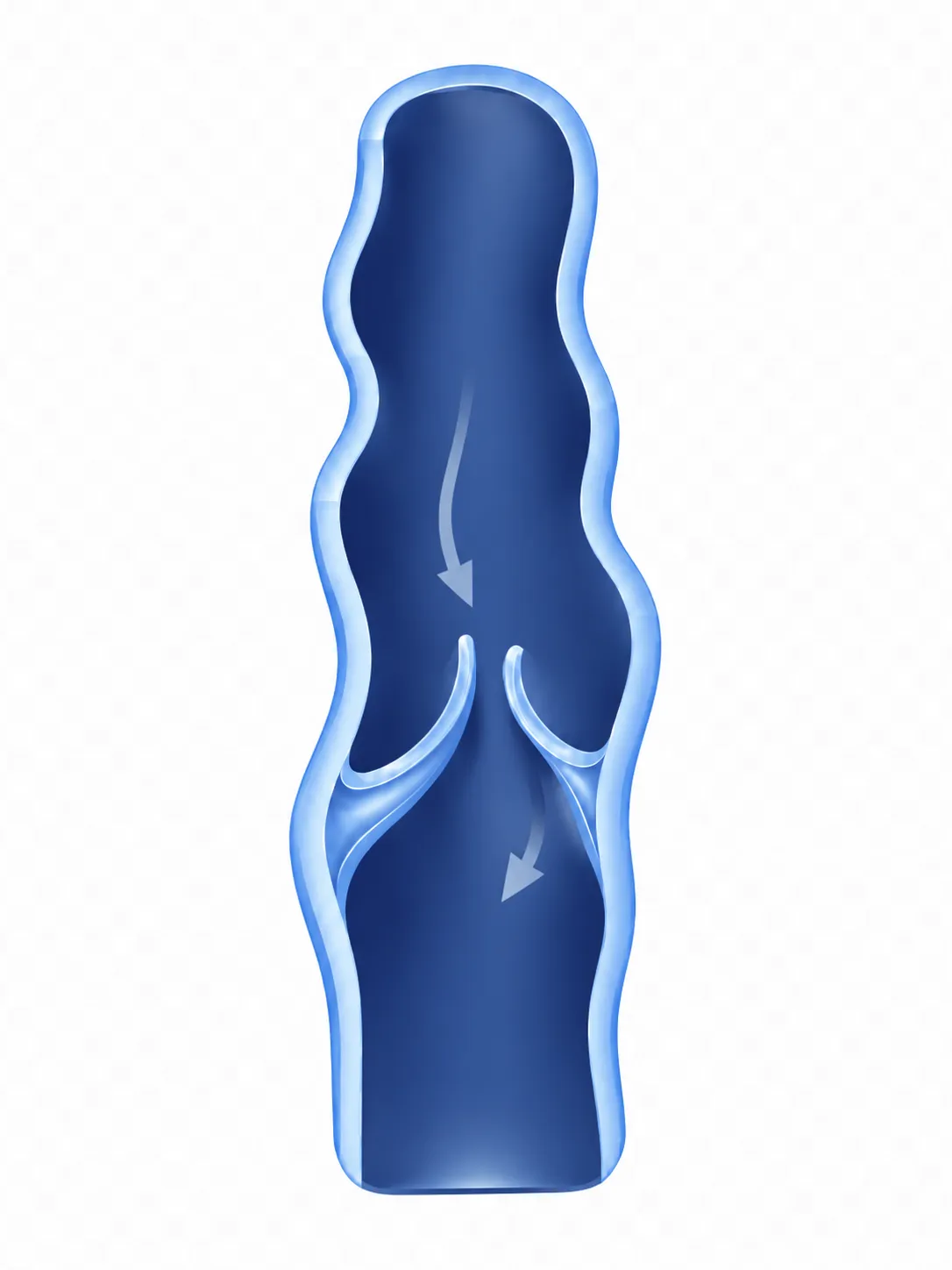
The valve stretches and no longer closes,
so blood flows backwards
How it is diagnosed
STEP 01
We identify precisely which vein the reflux occurs in
STEP 02
Reflux time and vein diameter are measured to judge whether treatment is needed
STEP 03
Non-surgical or surgical treatment is decided from the site and degree of reflux and the symptoms
Examination time: about 20–30 minutes | No pain | Results the same day
How treatment is decided
The direction of treatment is set by considering the severity of symptoms, the ultrasound findings, the site and extent of reflux, the vein diameter, daily habits and how much discomfort you feel.
The method is decided from the ultrasound findings
Depending on your condition, a combination of treatments may be needed
Treatment options
* The method is decided from the ultrasound findings
* Depending on your condition, a combination of treatments may be needed
Finishing a procedure or operation is not the end. Aftercare and daily habits affect how quickly you recover and the risk of recurrence.
Using the calf muscles supports venous circulation
Do not stay in one position; stretch whenever you can
Raising the legs above heart level helps reduce swelling
Managing weight reduces the load on the leg veins
When needed, check your condition with regular duplex ultrasound
* This is general guidance; actual aftercare depends on the treatment and your own veins. Please follow the advice of your medical team first.
If left untreated
Not every case of varicose veins worsens quickly. But if heaviness, swelling, pain or night cramps keep returning, or skin changes appear, it should be checked.
When circulation problems continue for a long time, irreversible changes such as pigmentation, eczema, lipodermatosclerosis, inflammation or ulcers can develop
FAQ
No. Even when no veins are visible, recurring heaviness, swelling, night cramps or numbness can point to a circulation problem. Only duplex ultrasound can give an accurate diagnosis.
Not every case calls for surgery. Depending on the symptoms and the ultrasound findings, it can be managed with compression stockings, oral medication or sclerotherapy. The direction is decided after a full examination.
Yes, these are common early symptoms. If they worsen in the afternoon or after long periods of standing, a circulation problem is possible. If they keep returning, an examination is recommended.
With duplex ultrasound. It takes about 20–30 minutes, is painless, and the results are available the same day. The site of reflux and the vein diameter are measured to decide the direction of treatment.
It matters to choose a clinic with its own ultrasound equipment and dedicated vein care. Bluesky Phlebology is a vein clinic in Busan where ultrasound diagnosis through to treatment is handled in one place.
Book a visit
From checking symptoms to treatment, Bluesky Phlebology is with you
Ultrasound results the same day · same-day consultation available
Weekdays 09:00–12:30, 13:30–18:00 | Wed & Sat 09:00–13:00 | Closed Sun & holidays