

We find the affected vein precisely and treat only the segment that needs it.
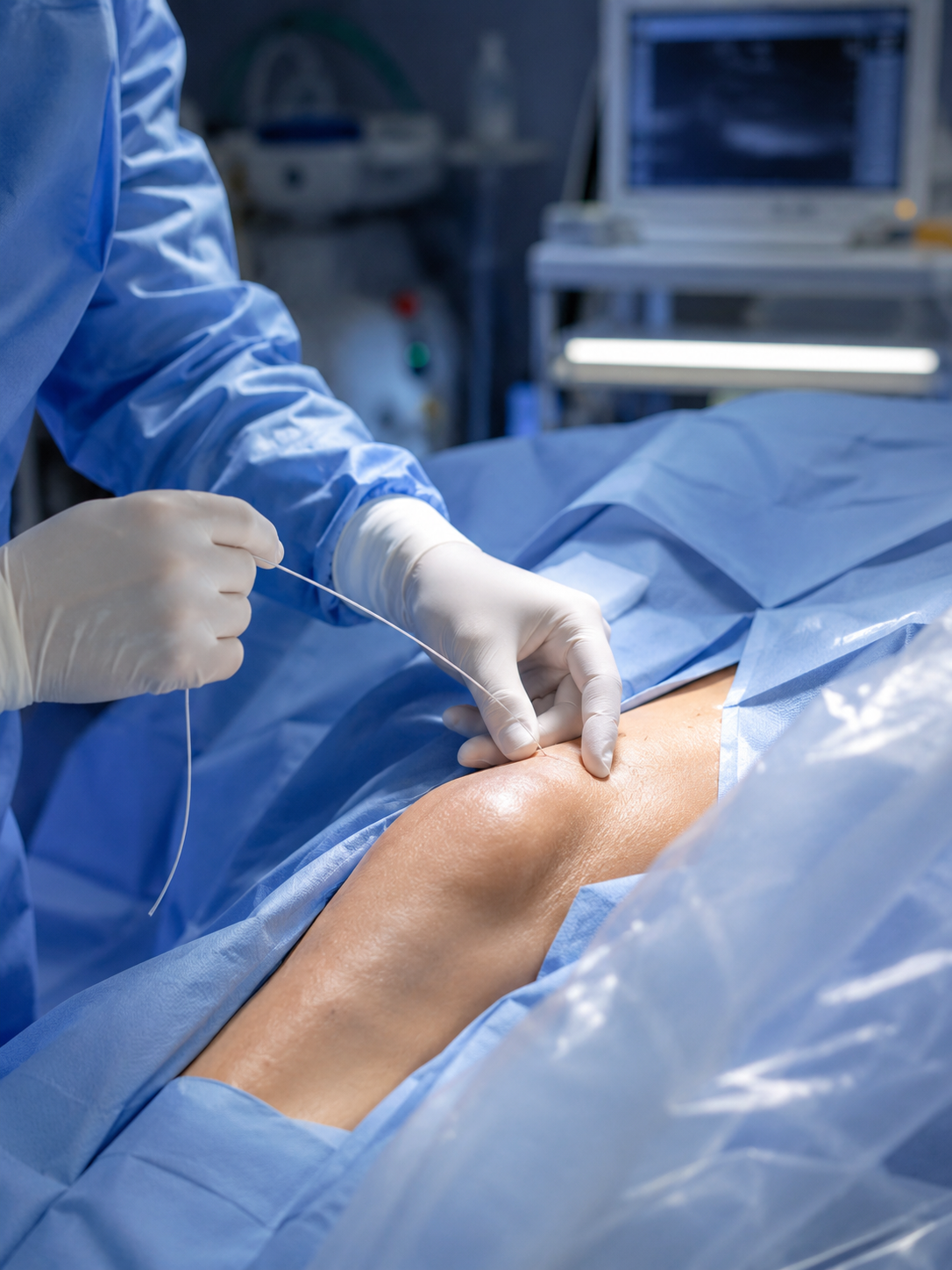
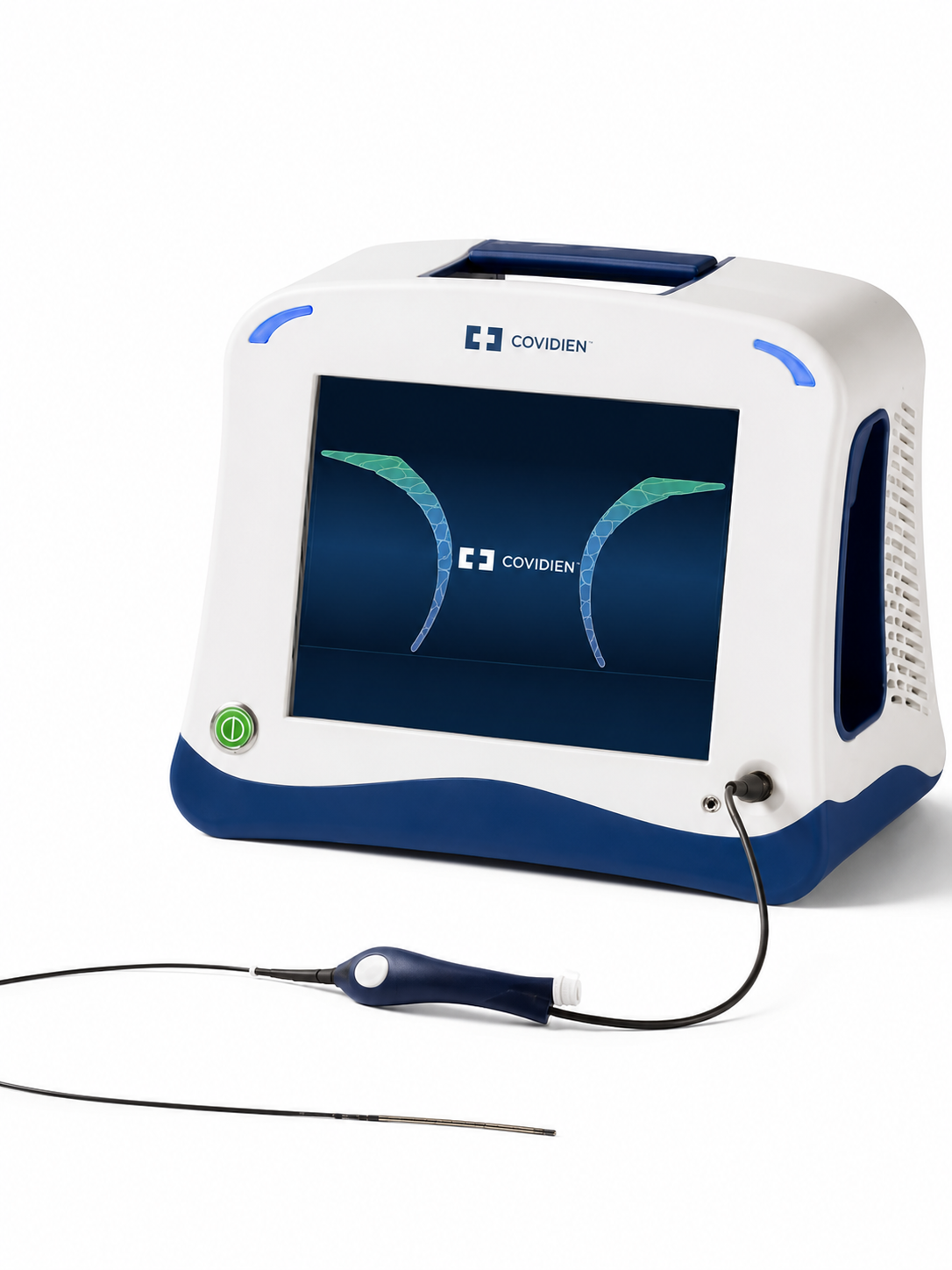
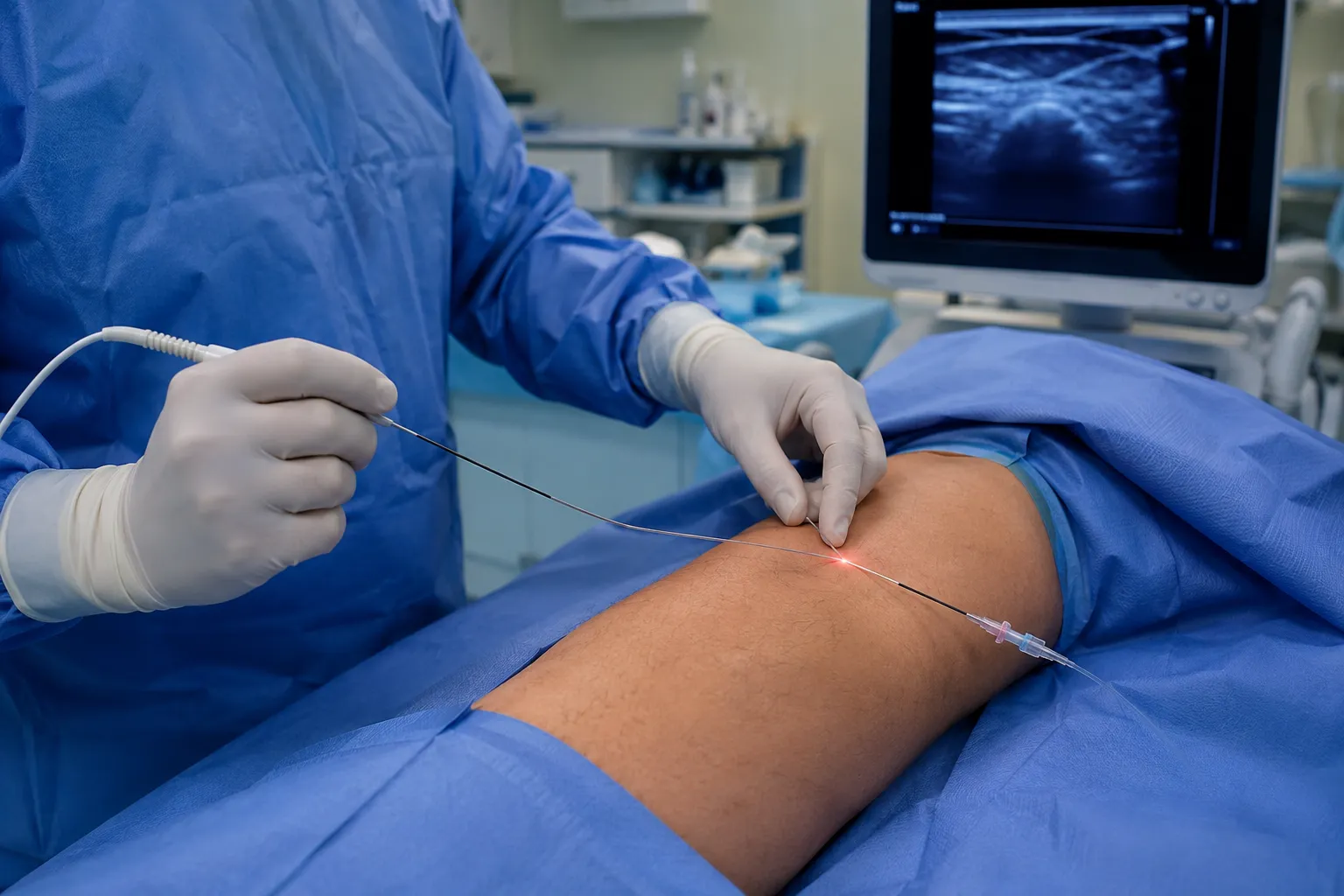
A thin catheter is placed inside the refluxing vein, and radiofrequency thermal energy closes the affected vein.
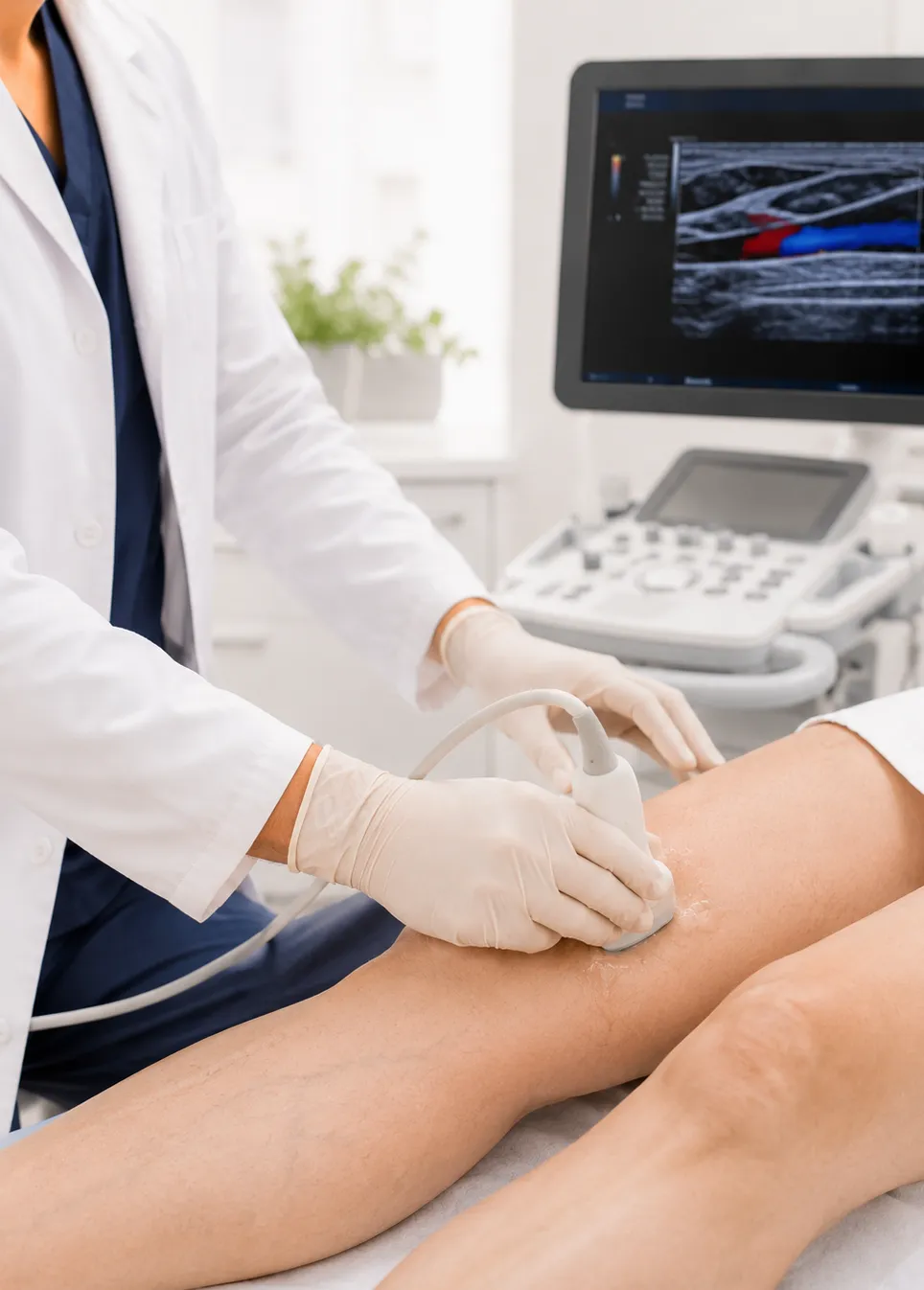
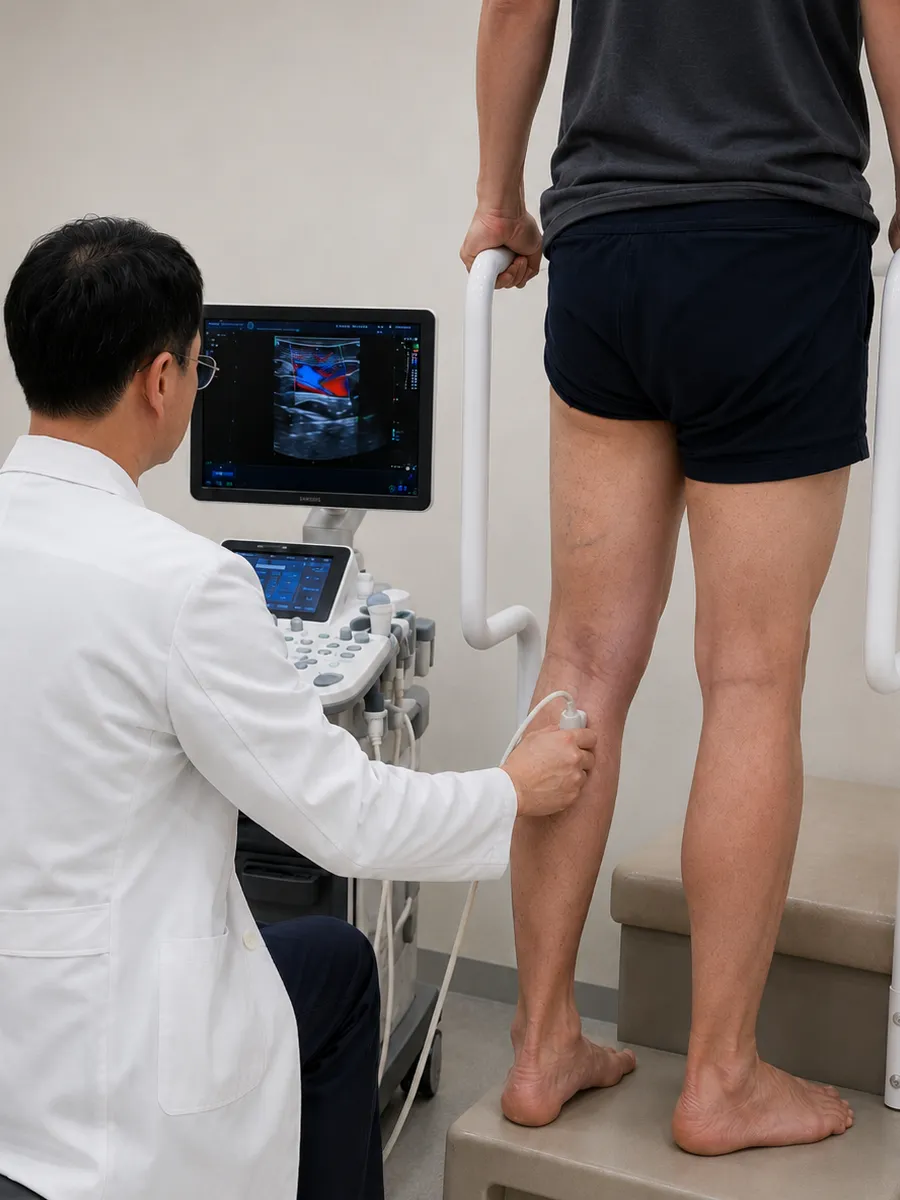
Before treatment, duplex ultrasound confirms the exact location and condition.
In varicose veins, the valves inside the leg veins weaken, so blood cannot travel up toward the heart and flows backwards instead.
Radiofrequency ablation places a thin catheter inside the affected vein and delivers thermal energy to contract and close the vein wall. It is not simply about closing a vein — the first step is determining exactly which vein needs to be closed.
Learn more about varicose veins →
The decision is made from symptoms and ultrasound findings together. Suspected varicose veins alone do not make radiofrequency ablation the answer.
The key examination for radiofrequency ablation is duplex ultrasound. Deciding from bulging veins alone can miss where the reflux actually begins.
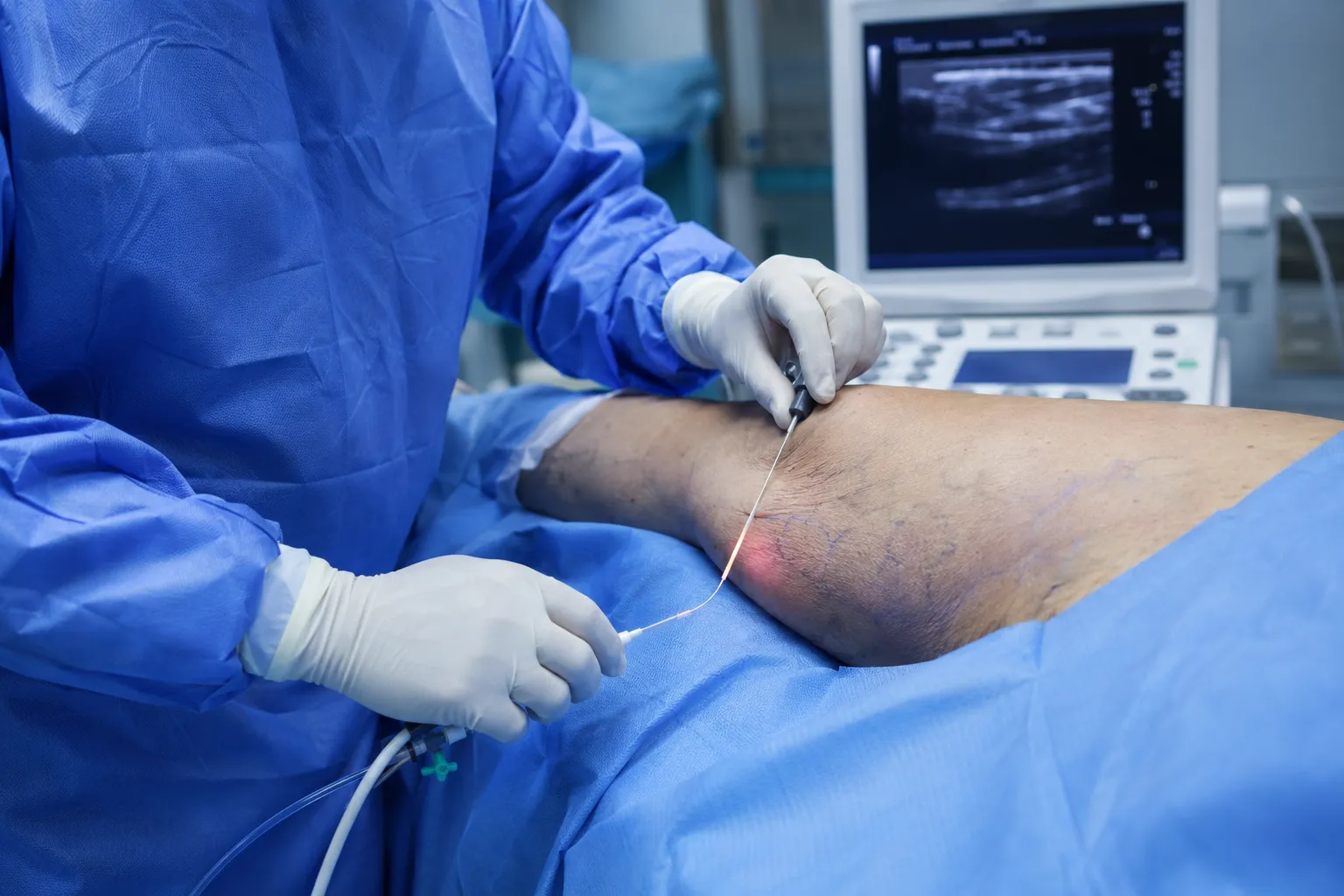
Radiofrequency ablation limits the extent of incisions and works from inside the vein. In many cases walking is possible after treatment.
After radiofrequency ablation, compression stockings may be worn for a period as advised. Bruising, tightness or changes in sensation can occur at the treated area, and in most cases these ease with time.
How to wear compression stockings →
What matters more than the method is choosing what fits the vein. Each treatment differs in mechanism, strengths and the vein conditions it suits.
At Bluesky Phlebology we do not treat varicose veins as a problem of bulging veins alone. We look at heaviness, swelling and pain in the legs together with the subtle changes in reflux seen on duplex ultrasound.
Radiofrequency ablation closes the affected vein, but what matters first is finding exactly which vein should be closed. At Bluesky Phlebology we look at your symptoms and the state of your veins together, and explain carefully which treatment and which care you actually need.
Book a visit