

EN
Specialist Vascular Clinic
ARTERIOVENOUS FISTULA

Arteriovenous Fistula Surgery

A dialysis access matters beyond the moment it is made —
we design it carefully from the start so that it lasts.

An arteriovenous fistula joins an artery to a vein to create a vessel that can be used for haemodialysis.
We assess the calibre, position and flow of the vessels before deciding on the right approach for each patient.

Flow
Designed around both arterial and venous flow
Design
A vessel carefully prepared for dialysis
Detail
Siting decided with care, based on the vessels
Move the mouse and the blood flow responds
01
What is an arteriovenous fistula?

An artery and a vein are joined
to create an access
suited to dialysis.

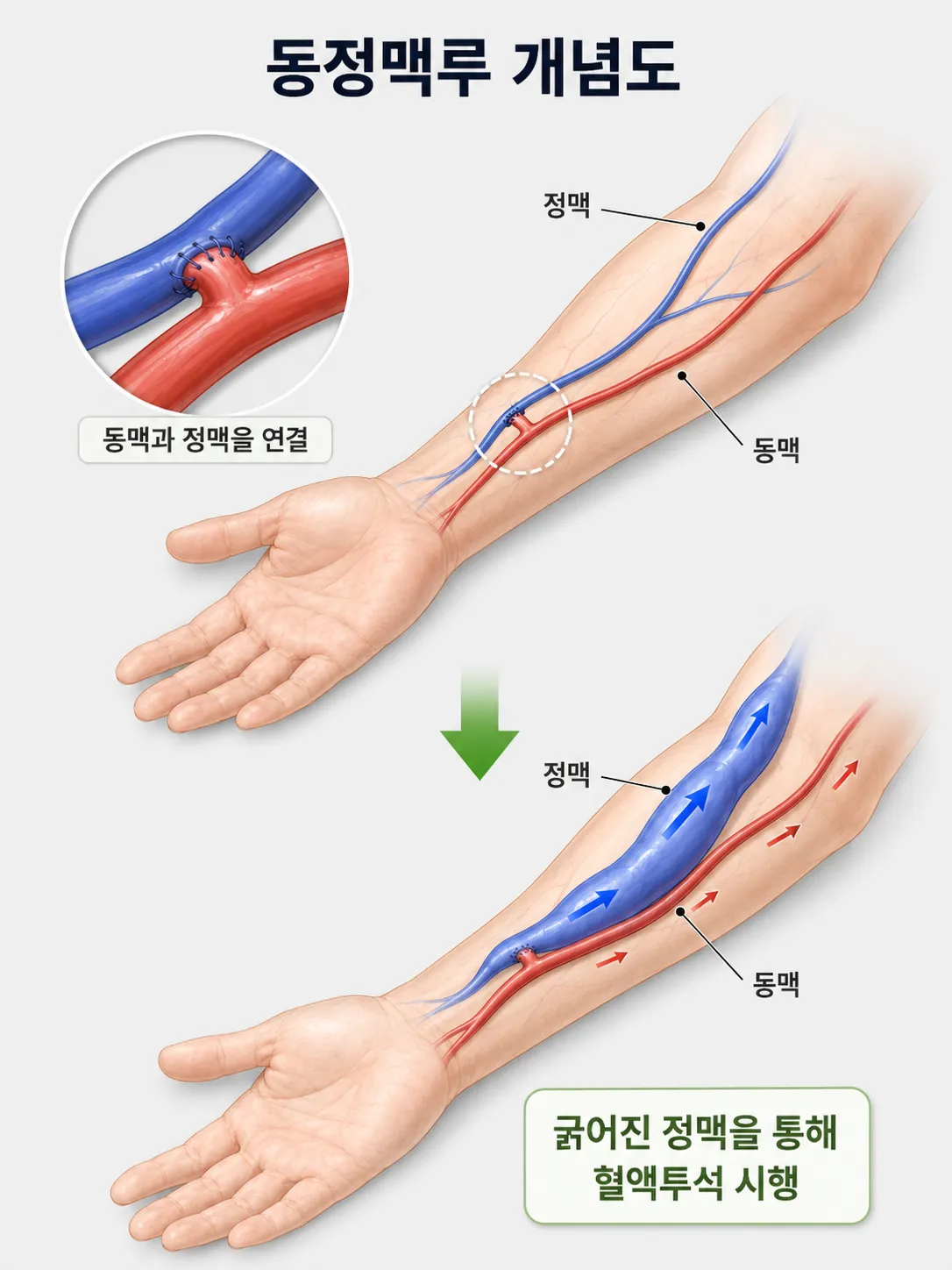
In haemodialysis, blood is drawn out of the body, passed through a dialyser and returned. An ordinary vein alone cannot provide the flow needed for repeated dialysis.

Connecting the high-pressure flow of an artery to a vein makes the vein enlarge and strengthen. The resulting access is called an arteriovenous fistula, and it becomes an essential vascular access for patients preparing for haemodialysis.
More about our vascular care →

Concept of arteriovenous fistula surgery joining an artery and a vein
Creating an arteriovenous fistula by joining an artery and a vein
02
Main types of fistula

Native vessels or a graft,
chosen according to the vessels.

Rather than declaring one method better, the decision weighs the current state of the vessels, the dialysis schedule and the patient's overall health.

Native
Native arteriovenous fistula
The patient's own artery and vein are joined directly. Where the vessels are suitable, this is often the first choice. It is generally associated with a lower infection burden than a graft, but it needs a maturation period after surgery for the vein to develop.
Graft
Arteriovenous graft
Where native vessels alone cannot form a usable access, a synthetic graft is placed between the artery and the vein. Because infection, narrowing and occlusion must be taken into account, the decision is made carefully in light of the patient's condition and dialysis plan.
Beyond the vessels you can see,
we check the vessels themselves first
03
Why pre-operative assessment matters

With duplex ultrasound,
even small differences
are examined closely.

A fistula is not simply a matter of joining an artery to a vein. We consider which vessels to use, whether their calibre is sufficient, whether blood can flow well, and whether the site will allow dialysis needles to be inserted repeatedly after surgery.
Our principles of care →

01
Arterial calibre and flow
02
Venous calibre and depth
03
Course of the vessels
04
Previous vessel damage
05
History of central venous catheters
06
Dialysis needle sites
07
Likelihood of maturation
08
Whether a graft is needed
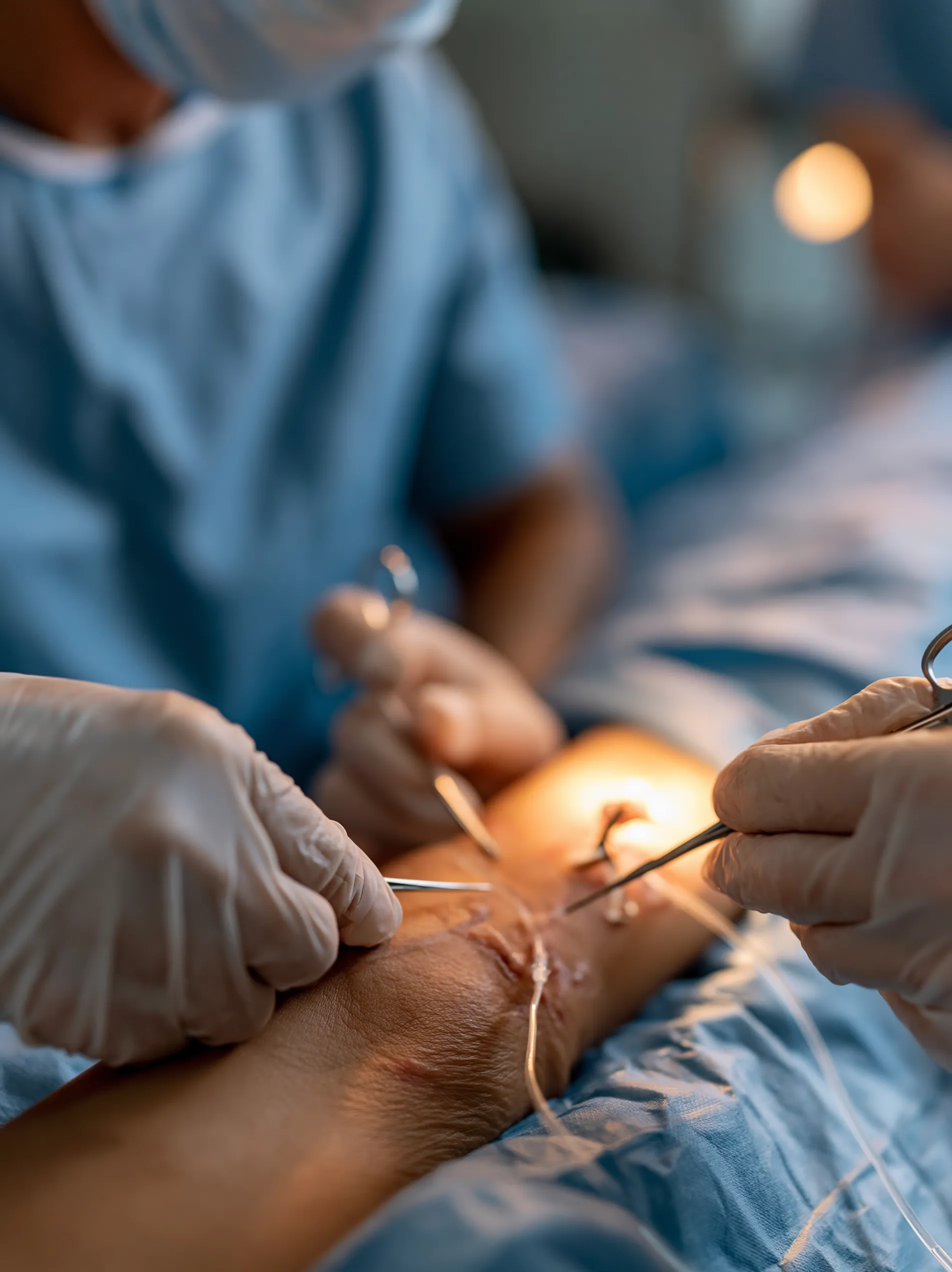
Arteriovenous fistula surgery in progress
Arteriovenous fistula surgery
04
Steps of fistula surgery

From pre-operative assessment
to checking recovery, step by step.

STEP 01
Pre-operative assessment
After reviewing the dialysis plan, previous vascular history and general health, duplex ultrasound identifies usable vessels
STEP 02
Surgical planning
Native or graft, choice of site, expected maturation time and care explained
STEP 03
Creating the fistula
At the chosen site, the artery and vein are joined so that blood flows into the vein
STEP 04
Post-operative check
Flow, thrill, swelling and bleeding are checked; follow-up ultrasound if needed
A dialysis access is not finished once it is made.
We stay with you from the first design through ongoing care.
05
After surgery

For a dialysis access to last,
daily care matters.

Even a well-made fistula can develop narrowing, thrombosis, infection or bleeding if it is not looked after. Make a habit of lightly touching the fistula every day to check that you can feel the buzzing thrill.
Avoid having blood pressure taken on the operated arm
Avoid blood draws or IV injections in the operated arm
Take care with carrying heavy loads for long periods or anything that compresses the arm
Avoid resting your head on the arm, tight sleeves, and tight watches or bracelets
Wash the arm and keep it clean before each dialysis session
If the thrill you usually feel disappears or weakens, consult the medical staff
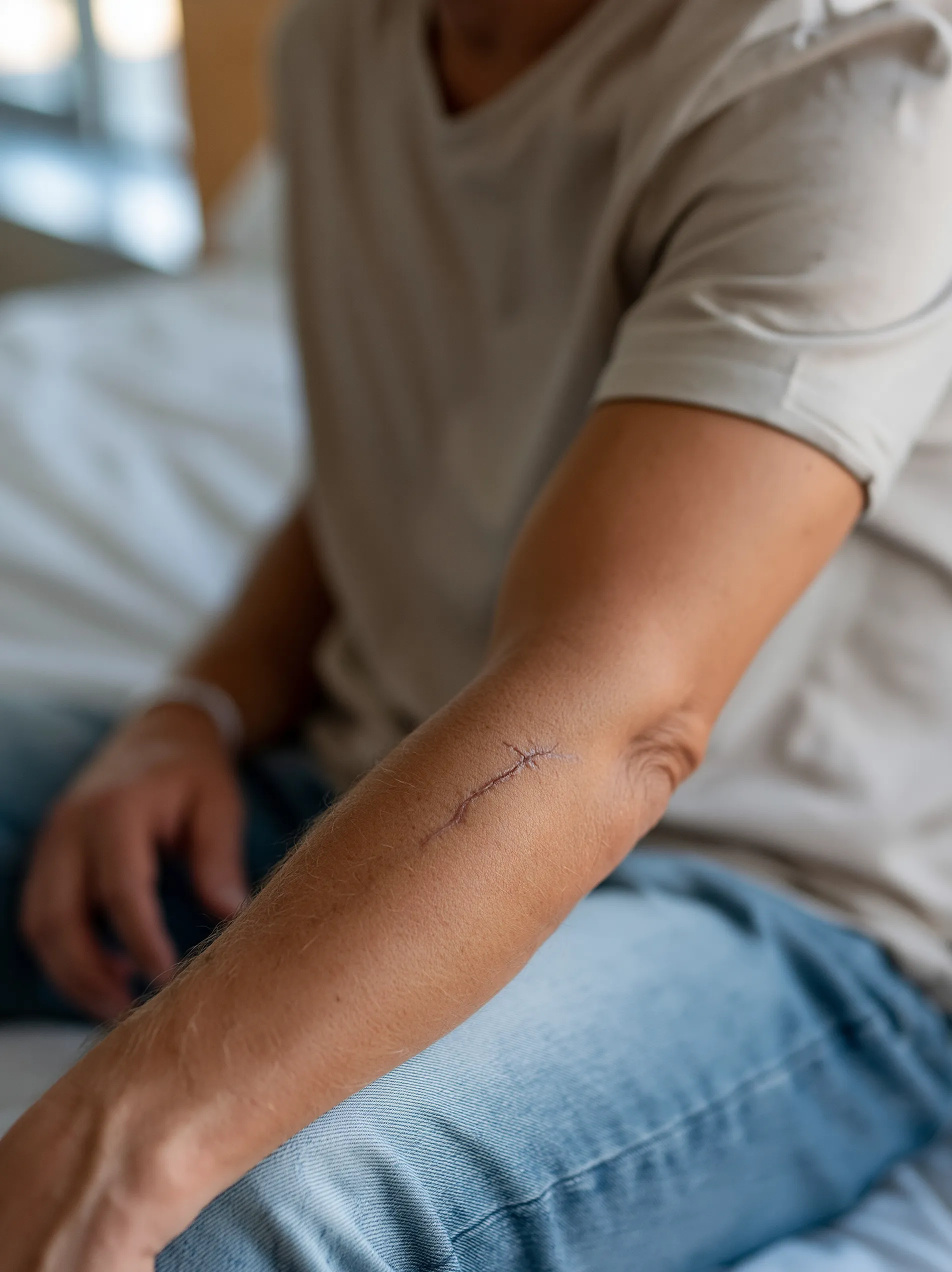
Recovery care after arteriovenous fistula surgery
Daily care after surgery determines how long the access lasts
06
When to contact the clinic

Noticing changes
before a blockage is what matters.

It is important to notice changes before a fistula blocks or narrows. If any of the following occur, have the vessel checked.

The thrill you usually feel has weakened or disappeared
Blood flow is poor during dialysis
Bleeding takes longer to stop after dialysis
The surgical site is swollen and red
There is warmth or severe pain
The arm or hand is badly swollen
The fingertips are cold or numbness is worsening
Needle insertion is repeatedly difficult
07
Our approach at Bluesky Phlebology

We do not see a fistula
as merely a joining operation.

The vessel used for dialysis affects a patient's life and treatment for a long time, so careful judgement is needed from the very first design. We explain clearly whether your own vessels can be used, whether a graft is needed, and what to watch for in care after surgery.

3,000+
of vascular surgery experience
30 years
as a university hospital professor
1
One specialist throughout
Pre-operative assessment based on duplex ultrasound
Dialysis plan and general health considered together
Clear explanation of native versus graft access
Guidance on maturation time and post-operative care
Attention to detail that does not overlook small changes
Dr. Bang Jeong-hee, arteriovenous fistula specialist at Bluesky Phlebology
Dr. Bang Jeong-hee
Vascular surgeon · MD, PhD · Former university hospital professor
08
FAQ

Arteriovenous Fistula Surgery
FAQ

Why is an arteriovenous fistula needed?
+
Haemodialysis requires a large volume of blood to pass through the dialyser. An ordinary vein cannot provide the flow needed for repeated sessions, so a fistula joining an artery and a vein may be needed to create a usable access.
When should fistula surgery be done?
+
It depends on when dialysis is expected to start, kidney function and the state of the vessels. A native fistula needs about a month to mature after surgery, so the timing is best discussed together with your nephrologist.
What is the difference between a native fistula and a graft?
+
A native fistula joins the patient's own artery and vein directly. A graft connects the artery and vein with a synthetic tube when native vessels alone cannot form an access. The choice depends on the ultrasound findings and the patient's condition.
Can dialysis start right after surgery?
+
In most cases the vessel needs a maturation period after surgery. When it can actually be used varies with the vessels, the surgical method and the dialysis plan, so it should be confirmed by the medical staff.
What happens if a fistula blocks?
+
The thrill you usually feel may weaken or disappear, blood flow during dialysis may be poor, or bleeding may take longer to stop. Swelling, pain or warmth may also occur; any of these changes should be seen.
Is surgery possible for older patients or those with diabetes?
+
Age alone does not decide it. We assess the arteries and veins, blood flow, the skin, general health and the dialysis plan together before deciding.
Book a Visit

If you are worried about your dialysis access,
have the vessels
checked first.

Fistula surgery is not simply joining vessels; it prepares the right access with both the patient's vessels and dialysis plan in mind. Bluesky Phlebology looks closely at small symptoms and subtle changes in flow, and explains the vascular care each patient needs.

Book a visit