
EN
Non-surgical treatment for varicose veins
SCLEROTHERAPY · VARICOSE VEIN TREATMENT

Sclerotherapy

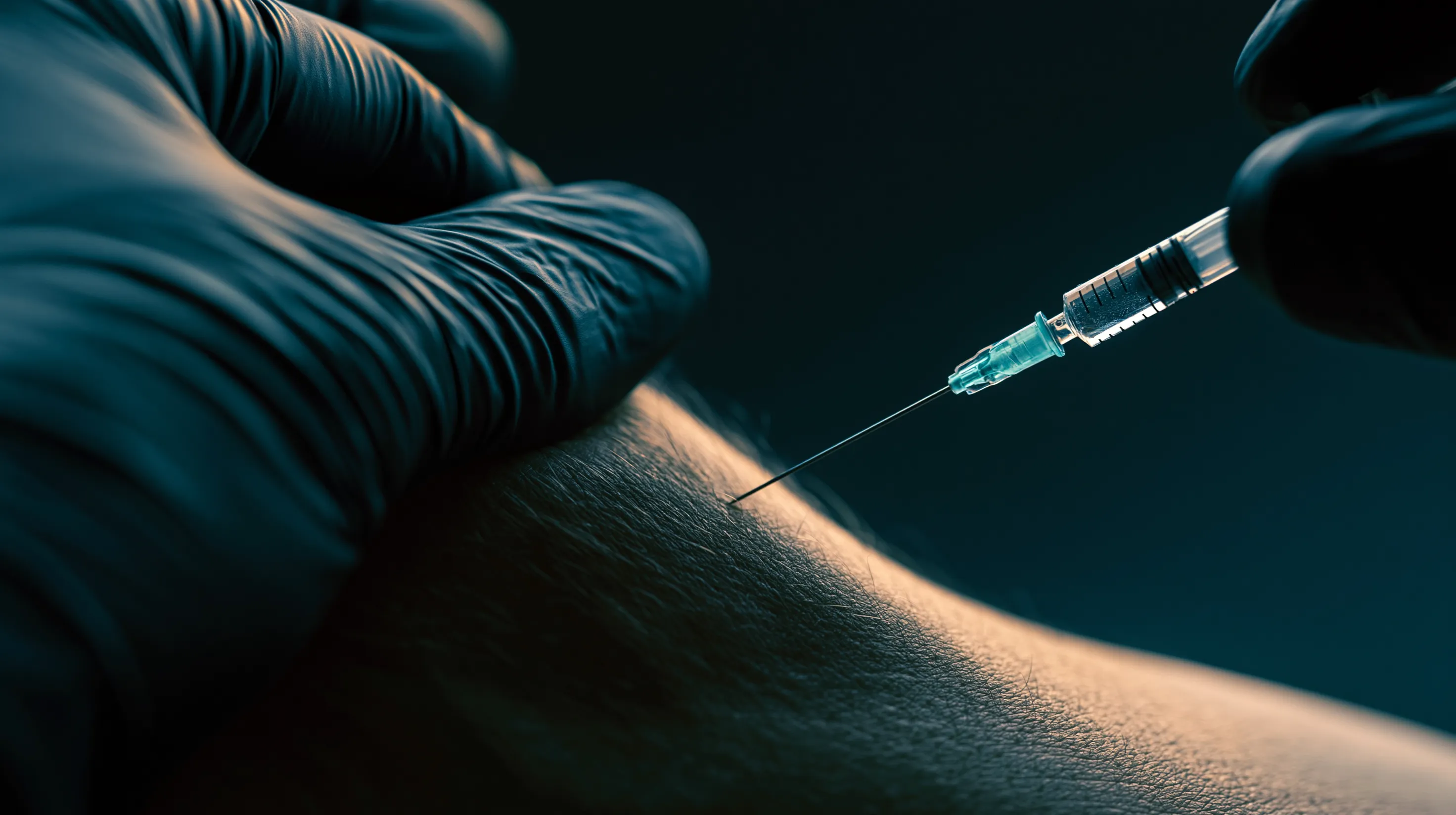
A sclerosant is injected into the affected vein
so that the vein gradually closes.
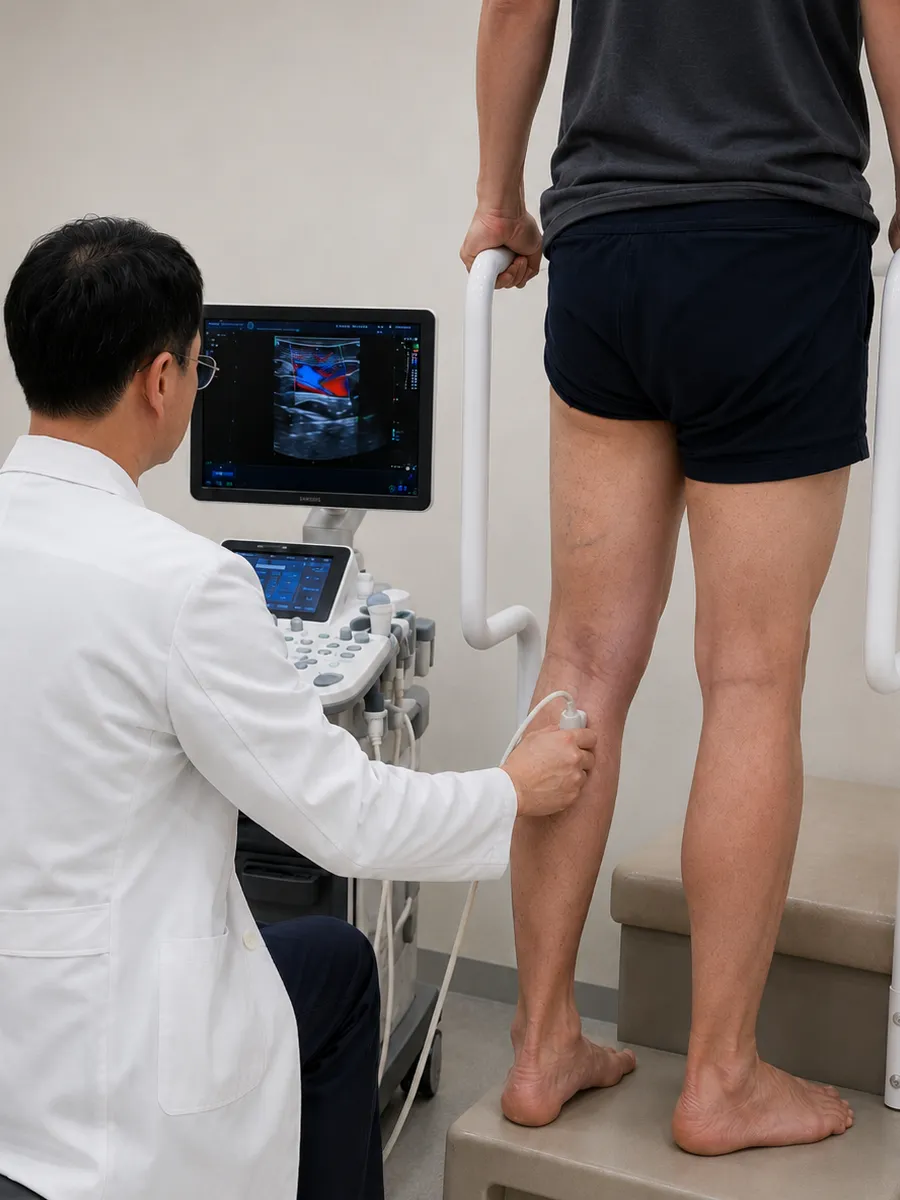
Before treatment, duplex ultrasound identifies the vein causing the problem.

Spider veins · telangiectasia
Branch varicose veins
Ultrasound-based assessment
01
What is sclerotherapy?

Sclerotherapy

A treatment that gradually closes the affected vein with a medication.

SCLEROTHERAPY · Sclerosant injection

Sclerotherapy injects a sclerosant into the vein affected by varicose veins, so the inner walls of the vessel adhere and the vein is gradually absorbed over time.

It is mainly used for spider veins, telangiectasia and branch varicose veins, and is not a treatment for every case. Confirming the veins with duplex ultrasound beforehand matters.
Learn more about varicose veins →

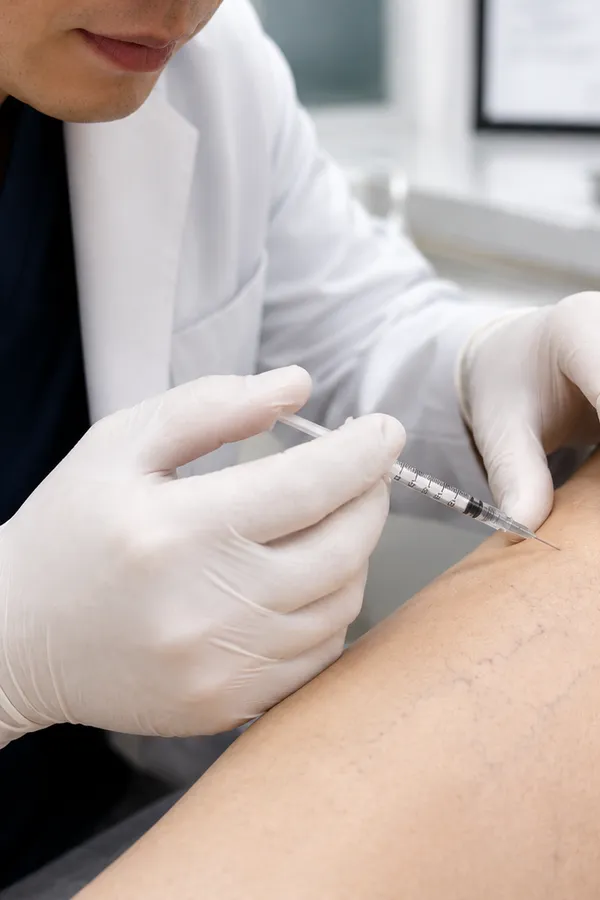
Sclerosant injection into a calf vein during sclerotherapy
Sclerosant injected through a fine needle
02
How it works

The sclerosant closes the vein gradually.

Once the sclerosant is delivered, a reaction occurs on the inner wall of the vein; with compression afterwards, the vein is guided towards closing. Over time the vein is gradually absorbed.

However, sclerotherapy is less a treatment that resolves reflux in a large underlying vein, and more often applied to relatively small veins or branch varicose veins. If there is reflux deeper down, treating only the visible veins can allow the discomfort to return with time.
See our treatment criteria →

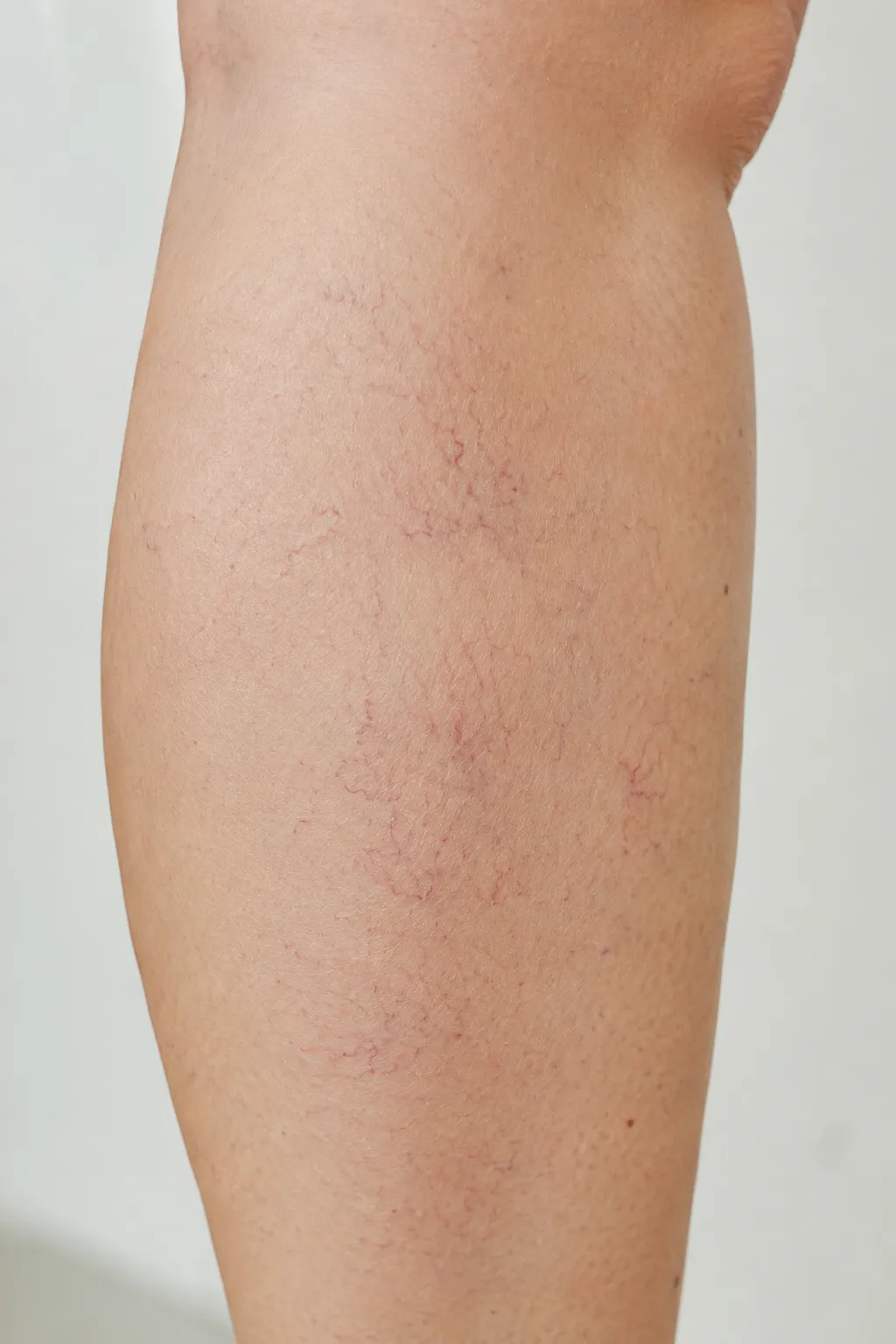
Close-up of spider veins and telangiectasia on the calf
Sclerotherapy is mainly used for spider veins and branch varicose veins
More than the veins you can see,
the flow of reflux inside matters
03
When it may be used

Sclerotherapy can be considered in these situations.

Whether sclerotherapy applies depends on the state of the veins, the symptoms and the ultrasound findings. When reflux in a large saphenous vein is clear, another treatment may be reviewed first.

Fine red or blue spider veins are visible on the legs
Branch varicose veins stand out around the calf or thigh
There is no clear reflux in a major vein, but localised varicose veins are present
Branch veins remain and are bothersome after a varicose vein procedure or surgery
Cosmetic concern comes with heaviness or fatigue in the legs
04
Before treatment

Before sclerotherapy,
ultrasound identifies the vein causing the problem.

Two legs can look alike from the outside and still differ: for one person sclerotherapy fits, for another a vein closure treatment should come first. Duplex ultrasound is the key step that decides the direction.
01
Whether the venous valves still work
02
Whether the saphenous vein is refluxing
03
The diameter and position of the affected vein
04
How the superficial and deep veins relate
05
Where the reflux begins
06
Whether sclerotherapy alone is enough
Duplex ultrasound before varicose vein treatment at Bluesky Phlebology
Duplex ultrasound confirms the location and extent of reflux
05
The treatment process

From examination to compression, step by step.

STEP 01
Duplex ultrasound
Confirm the location and extent of reflux and the vein diameter
STEP 02
Sclerosant injection
A fine needle delivers the sclerosant into the affected vein
STEP 03
Compression
After the injection, compression guides the vein towards closing
STEP 04
Wearing compression stockings
Compression is maintained to settle the treated area and ease discomfort
06
Features of sclerotherapy

Key features of sclerotherapy for varicose veins

01
Treatment of small veins
Mainly used for spider veins, telangiectasia and branch varicose veins.
02
Injection-based method
A sclerosant is delivered through a fine needle to create a reaction on the vein wall.
03
Treating veins left after a procedure
Also used for branch veins remaining after radiofrequency, VenaSeal or similar treatments.
04
Ultrasound-based assessment
Suitability is decided after the location of reflux and the underlying vein are confirmed.
05
Can be done in sessions
Depending on the extent of the veins, treatment is sometimes divided over several sessions.
06
It depends on the vein
If there is reflux in a large vein, another treatment may be reviewed first.
Before the name of a treatment,
check the state of your own veins
07
Cautions and limits

Sclerotherapy
is not right for every case of varicose veins.

When there is reflux in a large trunk vein such as the saphenous vein, sclerotherapy alone may not be enough to treat the cause. In that case radiofrequency, VenaSeal, ClariVein and other treatments should be reviewed together.

Bruising, swelling, brown pigmentation or a firm feeling can occur after treatment
Rarely, allergic reactions or skin injury are possible — existing conditions and medication must be disclosed beforehand
Treatment is restricted during pregnancy, with suspected acute thrombosis, or with severe arterial disease
New problems can develop in other veins after treatment, so regular check-ups are needed
Strenuous exercise, long saunas and hot baths are limited for a period
Wearing medical compression stockings after sclerotherapy
Compression stockings support recovery after treatment
08
Our approach at Bluesky Phlebology

Small symptoms and subtle
changes in the veins are examined closely.

When sclerotherapy is needed, we explain why; when another treatment is more appropriate, we set out the direction based on the ultrasound findings. Rather than a quick decision, we value the process of identifying exactly what is happening in your veins.

3,000+
Vascular surgery experience
30years
University hospital professor
1doctor
Dedicated, focused care
High-resolution duplex ultrasound to locate and grade the reflux
Suitability for sclerotherapy judged on the ultrasound findings
A clear explanation of when radiofrequency, VenaSeal, ClariVein or sclerotherapy fits
Guidance on recovery and daily care after treatment
Attention to small vein changes and subtle symptoms
Dr. Bang Jeong-hee, sclerotherapy specialist at Bluesky Phlebology
Dr. Bang Jeong-hee
Vascular surgery specialist · MD, PhD · Former university hospital professor
09
Frequently asked questions

Sclerotherapy for varicose veins
Frequently asked questions

Which varicose veins is sclerotherapy suitable for?
+
It is mainly used for fine spider veins, telangiectasia and localised branch varicose veins. When there is reflux in a large vein, sclerotherapy alone may not be enough, so duplex ultrasound is needed.
Can varicose veins be treated with sclerotherapy alone?
+
It depends on the state of your veins. Small varicose veins can be considered for sclerotherapy, but if a major vein such as the saphenous vein is refluxing, another treatment may come first.
Can I return to daily life right after treatment?
+
When the treated area is small, daily life is often possible straight away. Wearing compression stockings, limiting strenuous exercise and avoiding hot saunas or baths should follow the guidance you are given.
Can pigmentation occur after sclerotherapy?
+
Brown pigmentation can appear at the treated area. It often fades with time, but the course differs with the skin and the vessel's reaction.
How many sessions of sclerotherapy are needed?
+
It depends on the number, diameter and extent of the veins and how they respond. Rather than treating everything at once, treatment is sometimes divided over several sessions as the response is observed.
Is duplex ultrasound essential before treatment?
+
Yes. Visible veins alone cannot show whether the underlying vein is refluxing. Ultrasound identifies both the veins to be treated and the vein causing the problem, so an appropriate plan can be made.
Visit information

If you can see spider veins on your legs,
before choosing a treatment by name
check the state of your veins.

Whether sclerotherapy fits, or another varicose vein treatment is needed, can be judged more accurately with duplex ultrasound. At Bluesky Phlebology we look at small changes in the veins and subtle symptoms, and explain carefully the direction of treatment you need.

Book a visit